
This guide describes everyday life for expats in Germany in 2026, from paperwork and housing to work, language and social life.
The short version: what expats love and what they find hard
Most expats find that Germany is easy to work in and hard to settle in. Employment rights, salaries in skilled jobs, public transport and personal safety are consistent strengths. Paperwork, the housing market, the language and making local friends are the consistent pain points, and they tend to hit hardest in the first year.
| Area | What tends to go well | What tends to go badly |
|---|---|---|
| Work | Strong employment law, at least 20 days’ leave, firm boundaries on working hours | Hierarchical, German-language workplaces outside international firms |
| Admin | Rules are predictable once you know them | Appointments, paper forms, slow digitalisation |
| Housing | Strong tenant protection once you have a contract | Severe shortages in big cities; competitive viewings |
| Language | English is widely spoken in large cities and international workplaces | Officialdom, landlords and social life run in German |
| Money | Low-cost banking, predictable prices, cheap regional transport | High deductions from gross pay; cash still expected in places |
| Daily rhythm | Quiet Sundays, long holidays, outdoor culture | Shops shut on Sundays; “quiet hours” in flats |
| Social life | Clubs (Vereine), festivals, beer gardens, Christmas markets | Friendships form slowly; directness can feel cold |
If you are still at the “should we move at all?” stage, start with our pillar guide, How to Move to Germany: Complete Expat Guide, and come back here for the day-to-day picture.
What changed in 2025 and 2026
Several things that shape everyday life changed recently, and many older “life in Germany” articles have not caught up.
| Change | When | What it means day to day |
|---|---|---|
| Expat Insider 2026 ranking | Published July 2026 | Germany 30th of 31 overall and last for expat essentials. Only Norway ranked lower. |
| Deutschlandticket price rise | 1 January 2026 | Rose from €58 to €63 a month. From 2027 the price will follow a cost index rather than a political decision. |
| Statutory minimum wage | 1 January 2026 | €13.90 an hour, rising to €14.60 on 1 January 2027 |
| Voluntary integration course places | Places for voluntary participants limited by budget in 2026 | Cheap, subsidised German courses are harder to get into than older guides suggest |
| Three-year fast-track citizenship abolished | October 2025 | Five years’ residence is now the minimum standard route to naturalisation |
| Broadcasting fee (Rundfunkbeitrag) | Unchanged at €18.36 a month in 2026 | Any future increase needs the approval of every federal state |
Correction to older guides: If you have read that Germany is “a cash-only country”, that is no longer accurate as a description of the whole market: cards and phones are accepted in most supermarkets, chains and transport ticket machines. It is still true that some bakeries, cafés, market stalls and small restaurants take cash only.
Bureaucracy: paper, appointments and the Anmeldung
Bureaucracy is the single most common complaint from expats in Germany, and it is front-loaded: the first three months involve most of it. Almost everything depends on one step, registering your address (Anmeldung) at the local citizens’ office within two weeks of moving in. Without the registration certificate you will struggle to open a bank account, receive your tax ID or apply for your residence permit.
The typical first-month chain looks like this:
- Find somewhere to live and get the landlord’s confirmation of moving in (Wohnungsgeberbestätigung).
- Register your address (Anmeldung) and receive your registration certificate.
- Receive your tax ID by post, which your employer needs for payroll.
- Open a bank account and arrange health insurance.
- Apply for or convert your residence permit at the foreigners’ office (Ausländerbehörde), if you are not an EU citizen.
Appointment availability varies enormously by city. In large cities, booking slots often appear without warning and disappear quickly, so many newcomers check booking systems early in the morning. Many authorities still send important decisions by post, ask for paper originals and expect certified translations of foreign documents.
Do not ignore post. German authorities, your health insurer and the broadcasting fee service communicate by letter, often with short deadlines. Make sure your name is on your letterbox from day one.
Where to go next: – Step-by-step arrival tasks: Moving to Germany from the UK: Complete Checklist – Documents in German: Certified Translation Services in Germany – Complicated residence cases: How to Find an Immigration Lawyer in Germany
Language: how far English gets you
In Berlin, Munich, Hamburg and Frankfurt you can work and socialise largely in English, but you cannot run your life in English. Landlords, the foreigners’ office, the tax office, doctors outside the big cities and most neighbours will default to German, and official letters arrive in German.
In the 2026 Expat Insider survey, 62% of respondents said learning German was difficult. That matches what most newcomers report: the first level (A1) comes quickly, but reaching the B1 level that many permanent-residence and citizenship routes require takes sustained effort alongside a full-time job.
| Situation | How far English usually goes |
|---|---|
| International employer in a big city | Often the working language |
| German Mittelstand company or public sector | German usually required |
| Flat hunting | Helps with some landlords; German improves your odds noticeably |
| Doctors | English common in large cities; less so elsewhere |
| Authorities and official letters | German |
| Making local friends | German makes a large difference after the first year |
Subsidised integration courses are harder to access in 2026. Places for voluntary participants at the Federal Office for Migration and Refugees (BAMF) have been restricted for budget reasons, so check availability and the current personal contribution with BAMF or a course provider. A regular course covers about 600 hours of German and 100 hours of orientation. Private language schools and evening classes at the local adult education centre (Volkshochschule) remain widely available.
If language is your main worry about work, read Jobs for English Speakers in Germany.
Housing: the hardest part for most newcomers
Finding a flat is the hardest single task for most expats in German cities, and it is getting harder rather than easier. Demand for affordable homes in the big cities far exceeds supply, and new construction remains well below what is needed.
What this means in practice:
- Competition is intense. Popular viewings in big cities attract many applicants, and landlords usually ask for a credit report (SCHUFA), proof of income and sometimes a reference from a previous landlord, all of which are hard to produce in your first weeks.
- Rents vary hugely by city. Our Cost of Living in Germany for Expats guide compares rents city by city. Munich is the most expensive large city, and asking rents there are roughly double those in Leipzig.
- Flats often come unfurnished, sometimes without a kitchen. Budget for furniture and, in some cases, kitchen units.
- Deposits are capped at three months’ net cold rent and can be paid in three instalments.
- Tenant protection is strong once you are in. The rent brake (Mietpreisbremse) in designated tight markets has been extended to the end of 2029, and open-ended tenancies are the norm.
Many newcomers start in a furnished temporary flat and search locally once registered. For the full process, read Renting in Germany: Complete Expat Guide. If you are thinking longer term, see How to Buy Property in Germany as a Foreigner and How to Find an English-Speaking Estate Agent in Germany, or browse housing providers and real estate agents in our directory.
Money: cash culture, cards and the cost of living
Germany is no longer a cash-first country overall, but it is still a cash-friendly one, and you will be caught out if you carry none. Card and smartphone payments have grown quickly, and debit cards (dominated by the domestic girocard) are the most common alternative to cash, but cash is still used for a large share of everyday purchases.
| Payment situation | What to expect |
|---|---|
| Supermarkets, chains, transport ticket machines | Cards and phones almost always accepted |
| Bakeries, cafés, kiosks, market stalls | Cash still common; some take cash only |
| Small restaurants and bars | Ask before you order; some are cash only or have a minimum card spend |
| International credit cards | Less widely accepted than debit cards; do not rely on them alone |
| Rent and bills | Bank transfer or direct debit from a euro account |
Other money habits that surprise newcomers:
- Bottle deposits (Pfand): single-use bottles and cans carry a 25 cent deposit, which you reclaim at machines in supermarkets. Since January 2024 this also covers milk drinks in plastic bottles.
- The broadcasting fee: every household pays the Rundfunkbeitrag, €18.36 a month in 2026, whether or not you own a television.
- Deductions are high. Social contributions take roughly a fifth of gross pay before income tax, and church tax applies if you are a registered member of a church.
Further reading: How to Open a Bank Account in Germany, Taxes for Expats Living in Germany and Cost of Living in Germany for Expats. For personal help, browse banks, financial services and tax advisors in our directory.
Sundays, quiet hours and the rhythm of the week
On Sundays and public holidays most shops in Germany are closed, and many neighbours expect a quiet day. Shop opening hours are set by each of the 16 federal states, so the rules differ, but the pattern is the same everywhere: plan your shopping for Saturday.
| Rule | How it works in 2026 |
|---|---|
| Sunday trading | Generally closed; each state permits a small number of occasion-based shopping Sundays (typically between four and eight a year, depending on the state) |
| Weekday opening in Bavaria | 6:00 to 20:00, Monday to Saturday |
| Weekday opening in most other states | Many allow 24-hour opening Monday to Saturday, although few shops use it |
| Exceptions | Bakeries often open for a few hours on Sunday morning; shops at major stations and petrol stations, and some unstaffed small shops, are commonly open |
Quiet is also part of flat life. Many rental contracts and house rules (Hausordnung) set quiet periods at night and on Sundays, which can cover drilling, loud music and sometimes even putting bottles in the glass bin. Read your house rules when you move in; they vary by building.
The upside is real: Sundays are for walks, lakes, cafés and family, and many expats who complained about it in their first year end up defending it.
Weather and seasons
German winters are long and grey rather than extremely cold, and summers are increasingly warm and dry. Recent years have been among the warmest since national records began, with more frequent hot spells in summer.
Do not expect every summer to be hot and sunny. November to February is typically dull, short-daylight and damp in the north. The south-west, including the Upper Rhine valley, is the warmest region; the Alps and Black Forest are the wettest. Air conditioning is uncommon in rented flats, which matters more in hot summers. For how climate and lifestyle differ by region, see Best Places to Live in Germany.
Work and work–life balance
Working life in Germany is one of the country’s strongest attractions for expats: generous leave, firm boundaries and strong legal protection. By law you get at least 20 days’ paid leave on a five-day week, and most contracts offer 28 to 30 days, with public holidays (which vary by state) on top. Sick pay is six weeks at full salary from your employer.
Workplace culture is typically more formal and process-driven than in the UK or US. Meetings start on time, decisions follow procedure, and feedback is direct. Evenings and weekends are usually protected, and many expats cite this as the main reason they stay.
Pay is strong in skilled roles but deductions are high. The statutory minimum wage is €13.90 an hour in 2026. Non-EU professionals on an EU Blue Card need a gross salary of at least €50,700 (€45,934.20 in shortage occupations and for recent graduates).
Where to go next: – Working in Germany as an Expat – Jobs for English Speakers in Germany – Germany Work Visa: Requirements & Application – Germany Opportunity Card: Requirements & Application – How to Start a Business in Germany as a Foreigner
Browse employment services in our directory if you want help with your search.
Healthcare, insurance and safety nets
Healthcare in Germany is high quality and compulsory, and it is paid for through insurance rather than taxation. Most employees join the statutory system, which costs 14.6% of gross pay plus an insurer-specific additional contribution averaging around 2.9% in 2026, shared with the employer. Higher earners can choose private cover.
The main day-to-day frustration is waiting times for some specialists, especially in psychotherapy and dermatology in large cities. English-speaking doctors are common in big cities and much rarer elsewhere.
Read Healthcare in Germany for Expats, Health Insurance for Expats in Germany and How to Register for Healthcare in Germany, or browse insurance providers and healthcare providers in our directory.
Getting around
Most expats in German cities do not need a car. The Deutschlandticket gives unlimited local and regional public transport across the whole country for €63 a month in 2026, though it does not cover long-distance ICE, IC and EC trains. Cities are generally cycle-friendly, and Germany performed relatively well for travel and transit in the 2026 Expat Insider survey.
Long-distance rail is extensive but punctuality is a frequent complaint, so build in buffers for connections. If you do drive, the motorway network is excellent, and some stretches still have no general speed limit.
If you hold a foreign licence, the rules on how long you can use it depend on where it was issued. Read Driving in Germany as a Foreigner and, for UK licence holders, How to Exchange a UK Driving Licence in Germany. Browse transport and utilities providers in our directory.
Making friends and settling in
Settling in socially is where Germany scores worst with expats. In the 2026 Expat Insider survey, Germany performed poorly for ease of settling in, and only 43% of respondents described people in Germany as generally friendly. Yet 60% said they were happy with life in Germany overall, which reflects a common pattern: the country works well, but warmth takes time.
What helps, based on what long-term expats consistently report:
- Join a club (Verein). Sports clubs, choirs, hiking groups and volunteer fire brigades are the backbone of German social life, especially outside big cities.
- Learn some German early, even if your job is in English. Effort is noticed and appreciated.
- Read directness as honesty, not rudeness. Germans often separate friendly from friends: acquaintances are polite but reserved, while friendships, once made, tend to be deep and lasting.
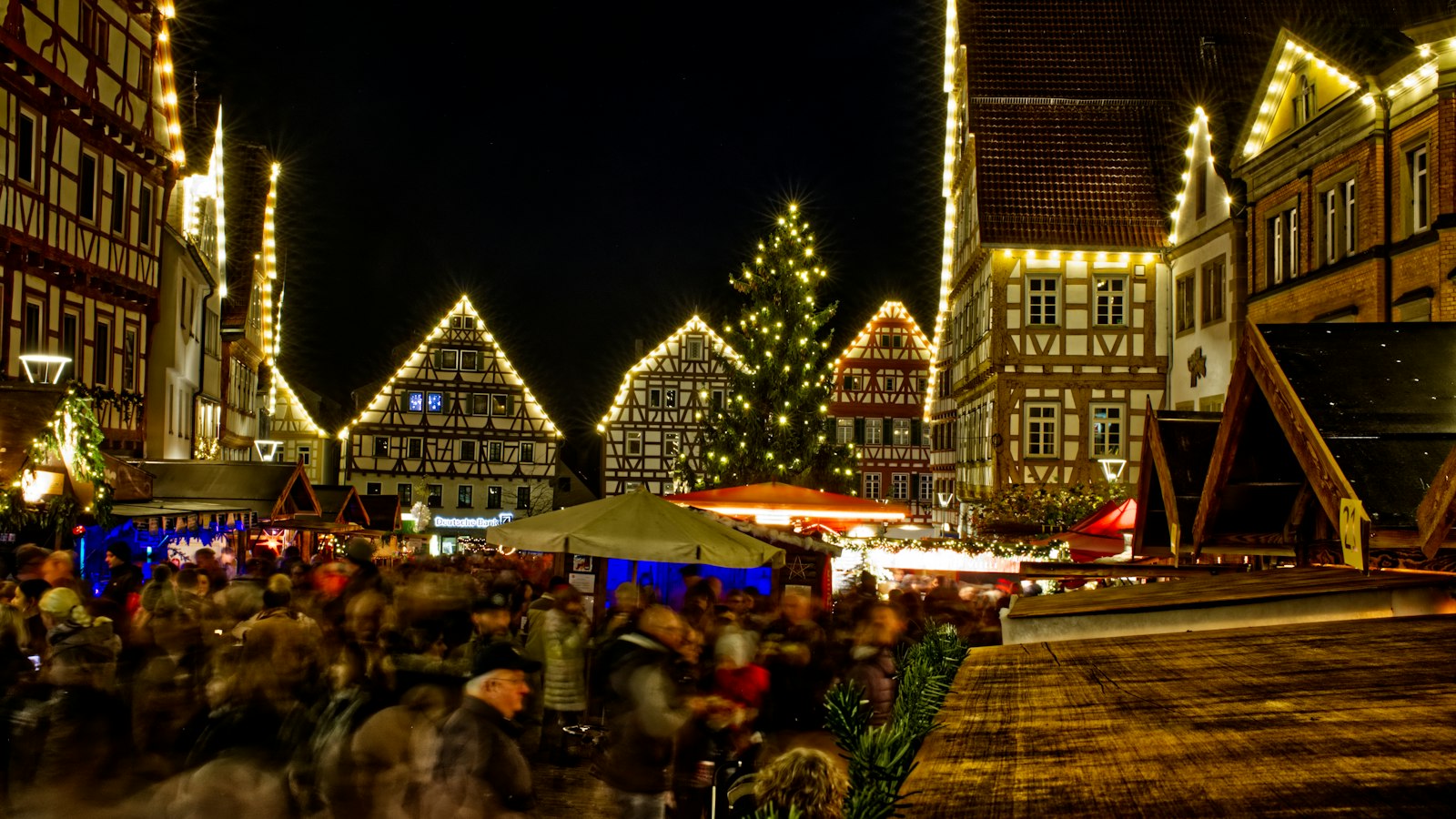
- Use the calendar. Christmas markets, wine and beer festivals, carnival in the Rhineland and summer lake culture are easy ways in.
Families should also read International Schools in Germany. For clubs, groups and social organisations, browse lifestyle and community listings in our directory.
Is it right for you? Next steps by situation
Germany suits people who value stability, rights at work, good transport and long holidays more than speed, spontaneity and easy social life. Use the table below to find the guide that answers your next question.
| Your situation | Read next |
|---|---|
| Still deciding whether to move | Is Germany a Good Place to Live? |
| Choosing a city or region | Best Places to Live in Germany |
| Ready to plan the move | How to Move to Germany: Complete Expat Guide |
| Moving from the UK | Moving to Germany from the UK: Complete Checklist |
| Budgeting the move | How Much Does It Cost to Move to Germany? |
| Shipping your belongings | Best International Moving Companies for Germany |
| Need a tax adviser | Expat Tax Advisers in Germany |
| Need professional relocation help | Relocation specialists in our directory |
Frequently asked questions
