
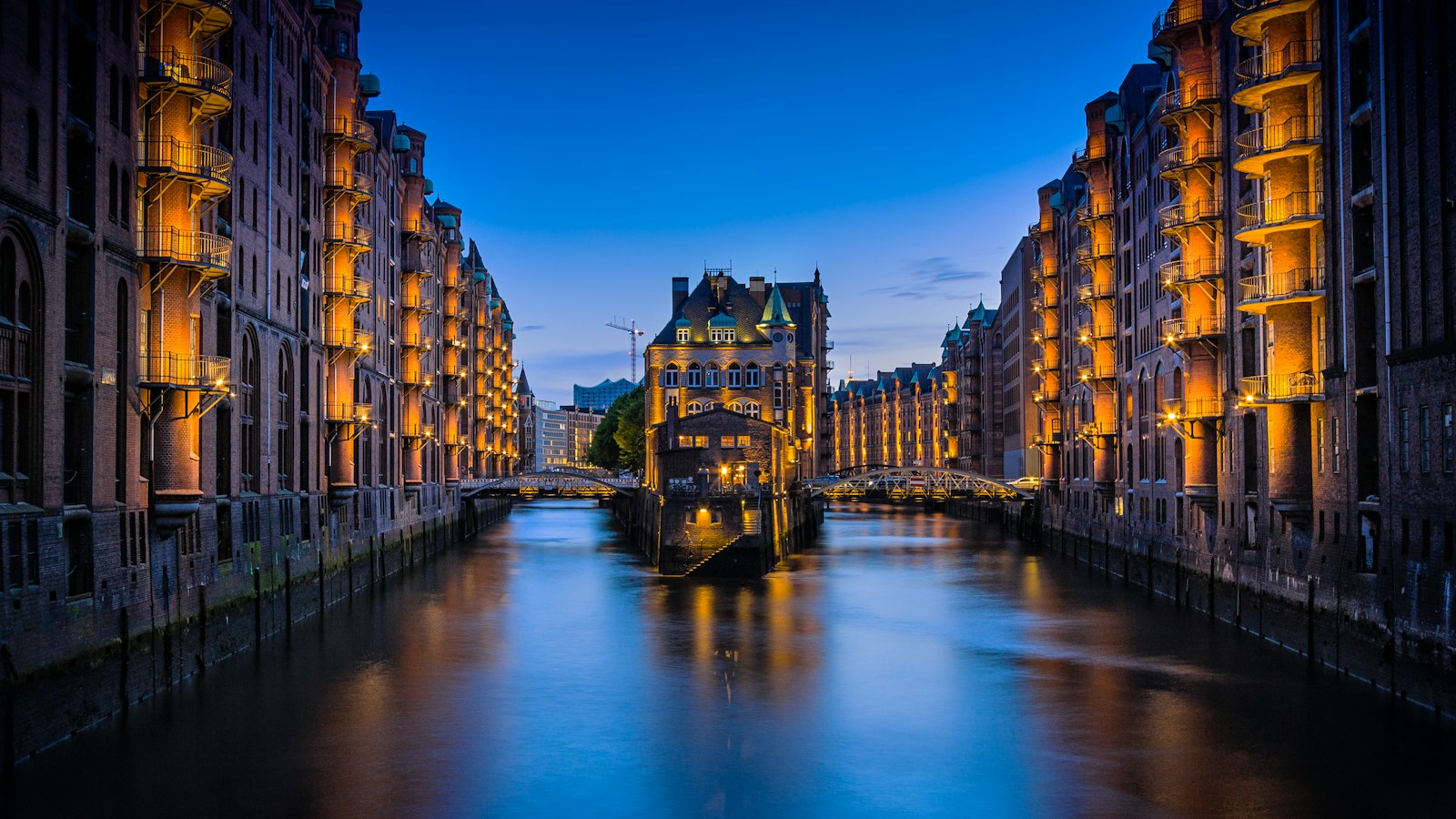
This guide compares the best places to live in Germany for expats in 2026, with rents, jobs, schools and transport for each city.
How we compared the cities
Short answer: we compared ten cities on six factors that decide most expat moves: rent, jobs, international community, English, transport and schools. We used published data where it exists and plain-language judgement where it does not, and we say which is which. For visas, registration and the practical steps of the move itself, see our complete guide to moving to Germany.
- Rent is shown as a broad level based on asking rents (the price of flats currently advertised), because the main rent indices use different methods and disagree on exact figures.
- Jobs and English draw on Federal Employment Agency data and the patterns described in our guide to jobs for English speakers in Germany.
- International community uses official city statistics where available and the InterNations Expat City Ranking, an annual survey of expats.
- Schools reflect where international and European Schools are located; fees are covered in our international schools guide.
What this guide does not do: there is no single “best” city. A ranking that puts Leipzig first for value and Munich first for salaries is measuring different things. Use the table below to shortlist, then read the city profiles.
The 10 cities at a glance
Short answer: Munich and Frankfurt lead on salaries and international schools but cost the most; Berlin has the largest English-speaking scene; Leipzig and Dresden are the cheapest large cities by a wide margin.
| City | Rent level (asking rents, cold) | English-language jobs | International community | Everyday English | Transport | International schools |
|---|---|---|---|---|---|---|
| Munich | Highest | High: tech, automotive and engineering R&D, insurance, research | Large; very international workforce | Good in professional settings | U-Bahn, S-Bahn, tram; major airport | Several, plus a European School |
| Frankfurt am Main | Very high | High: banking, ECB, fintech, consulting | Very large; one of the highest foreign-resident shares in Germany | Good; client-facing roles often need German | Germany’s largest airport and a main rail hub | Several, plus a European School |
| Stuttgart | High | Medium: automotive and engineering | Large; a high foreign-resident share | Moderate outside R&D | S-Bahn and Stadtbahn; hilly, car-oriented region | A few |
| Berlin | Mid to high | Very high: start-ups, tech, creative, research | Very large and highly mixed | Widely spoken in central districts | Dense U-Bahn and S-Bahn; BER airport | Many |
| Hamburg | Mid to high | Medium to high: media, logistics, e-commerce, aviation | Large | Good in business settings | U-Bahn, S-Bahn, harbour ferries | Several |
| Cologne | Mid to high | Medium: media, insurance, corporate offices | Large | Moderate | Stadtbahn; shares Cologne Bonn airport | A few, including in nearby Bonn |
| Düsseldorf | Mid-range | Medium: corporate head offices, consulting, Japanese firms | Large, with one of Europe’s biggest Japanese communities | Moderate to good in business | Stadtbahn; own international airport | A few |
| Nuremberg | Below the big cities | Medium: engineering, IT, the Federal Employment Agency headquarters | Moderate | Moderate | U-Bahn and S-Bahn | Limited; the nearest options may be outside the city |
| Leipzig | Lowest | Low to medium: logistics, research, some tech | Smaller but growing | Limited outside universities and tech | S-Bahn, tram; fast ICE links to Berlin | Limited choice |
| Dresden | Lowest | Low to medium: semiconductors, research | Smaller | Limited outside research and tech | Tram network; smaller airport | Limited choice |
How to read the rent column: it compares typical asking rents for existing flats between cities. Check current listings and rent indices for the district you are considering, because rents vary widely within each city. Job, English, community and school columns are our qualitative assessment unless a figure is shown.
Do not read too much into the foreign-national share. It counts people without German citizenship, which includes long-established communities as well as recent expats. It is a rough signal of how international a city feels, not a count of English speakers.
Rent: what the data actually says
Short answer: Munich is the most expensive city to rent in by every measure, Leipzig and Dresden are the cheapest large cities, and the main rent indices disagree on the exact figures. Asking rents per square metre in Munich are roughly double those in Leipzig, so the same flat can cost several hundred euros a month more in cold rent alone. For the one-off costs of the move itself, see how much it costs to move to Germany.
Asking rents are usually quoted as cold rent (Kaltmiete), excluding service charges and heating. If you are thinking of buying rather than renting, see how to buy property in Germany as a foreigner. An English-speaking estate agent can help with either search.
Three things most “best city” lists leave out:
- Rents are still rising in most big cities. Budget for higher rents than older articles suggest, and check current listings before you set your budget.
- Cheap rent does not mean easy rent. Berlin’s asking rents are below Frankfurt’s, but competition for affordable flats in Berlin is notoriously intense. Budget for a period in temporary furnished accommodation in any large city.
- Warm rent is what you pay. Add service charges and heating, which commonly add a few euros per m² a month, on top of the cold rent. Our guide to the cost of living in Germany gives full monthly budgets.
Correction to older guides: Many articles still describe Berlin as a cheap city. That was true a decade ago. On current asking rents, Berlin sits in the same band as Hamburg and Cologne, and well above Leipzig, Dresden and Hanover.
For deposits, documents and the rent brake, see Renting in Germany: Complete Expat Guide.
Jobs and the English-speaking job market
Short answer: if you need to work in English, your realistic shortlist is Berlin, Munich, Frankfurt and Hamburg; elsewhere, most employers expect German. Only a small share of German job adverts are written in English or state that German is not needed, so city choice matters more than in almost any other European country.
The national market has also cooled. The Federal Employment Agency counted 2.994 million unemployed in September 2026, a rate of 6.4%. The gap between cities is wide: Munich has one of the lowest unemployment rates of Germany’s big cities, and Berlin one of the highest.
| City | Strongest sectors for internationals | What to expect |
|---|---|---|
| Berlin | Start-ups, software, creative industries, research | The largest English-only job pool, but salaries are generally lower than in Munich and start-ups are exposed to funding cycles |
| Munich | Tech, automotive and engineering R&D, insurance, research | High salaries and low unemployment, offset by the highest rents in Germany |
| Frankfurt | Banking, the European Central Bank, fintech, consulting | English is common internally; client-facing roles often need German |
| Hamburg | Media, logistics, e-commerce, aviation | Fewer start-ups than Berlin, but a broad corporate base |
| Stuttgart | Automotive, mechanical engineering | Strong pay in engineering; German expected outside R&D. The automotive sector is under pressure, so check employer stability |
| Cologne and Düsseldorf | Media, insurance, corporate head offices, consulting | Good mid-sized markets, but German is usually expected |
| Nuremberg | Engineering, IT, public sector | Smaller international market; German expected in most roles |
| Leipzig and Dresden | Logistics, semiconductors, research | Growing, but the international job market is small |
If you are moving for work, read Working in Germany as an Expat and check your visa route in the Germany Work Visa guide or the Germany Opportunity Card guide if you want to arrive and job-hunt.
International community and how easy it is to settle
Short answer: German cities are consistently rated as hard places for expats to settle, even when they score well on work and quality of life. Frankfurt and Stuttgart have the highest shares of foreign residents among the cities in this guide; Berlin feels the most English-speaking day to day.
In the 2024 InterNations Expat City Ranking (published November 2024, 53 cities), every German city ranked fell in the bottom quarter:
| City | Overall rank (of 53) | Expat Essentials rank (of 53) |
|---|---|---|
| Düsseldorf | 41st | 47th |
| Frankfurt | 45th | 49th |
| Berlin | 46th | 53rd (last) |
| Cologne | 48th | 51st |
| Munich | 50th | 50th |
| Hamburg | 52nd | 52nd |
The Expat Essentials index covers digital life, administration, housing and language. German cities have repeatedly scored poorly on finding housing, dealing with officials and getting by without German across the editions we reviewed, while scoring better on job security and quality of life.
Freshness note: we could not verify a published 2025 edition of this ranking at the time of writing. If a newer edition has been released, check whether the German results have moved before relying on these ranks.
Frankfurt and Stuttgart have among the highest shares of foreign nationals of Germany’s large cities, while Dresden’s share is among the lowest. Leipzig and Dresden have international communities centred on universities, research institutes and the semiconductor industry, but they are far smaller than those in the west and south.
For an honest view of daily life, see What Is It Like Living in Germany as an Expat?. Our Lifestyle & Community directory lists expat clubs, language exchanges and community groups by city.
Schools for international families
Short answer: if you need an English-language or IB school, Munich, Frankfurt, Berlin, Hamburg, Düsseldorf, Cologne and Bonn, and Stuttgart offer the most choice; Leipzig, Dresden and Nuremberg have far fewer options. Places are tightest in Munich and Frankfurt.
| City | International school availability | Notes |
|---|---|---|
| Munich | Several schools, plus a European School | Waiting lists common; annual tuition at the large international schools runs to five figures, plus entry fees |
| Frankfurt | Several schools, plus a European School | High demand from banks and EU institutions |
| Berlin | Many schools | Widest choice of schools; check each school’s published fees and registration charges |
| Hamburg, Düsseldorf, Cologne and Bonn, Stuttgart | Several or a few | Check bus routes and catchment before choosing a flat |
| Nuremberg | Limited choice | Options may involve a commute; check before you sign a lease |
| Leipzig and Dresden | Limited choice | Apply early, ideally 9 to 12 months ahead |
The three European Schools in Germany are in Munich, Frankfurt and Karlsruhe. They give priority to children of EU staff, and other families are admitted only if places remain.
Do not overlook state schools. They are free, and many families with younger children choose them for integration and language. From 1 August 2026, children starting primary school have a legal right to all-day care, which is being phased in year by year. Our International Schools in Germany guide covers fees, tax relief and admissions.
Transport and getting around
Short answer: every city in this guide has good public transport, and the €63-a-month Deutschlandticket covers all local and regional travel nationwide, so a car is optional in the large cities. The pass excludes long-distance ICE, IC and EC trains.
- Best connected: Frankfurt has Germany’s largest airport and a central position on the high-speed rail network. Munich, Berlin, Hamburg and Düsseldorf also have major airports.
- Easiest without a car: Berlin, Hamburg and Munich have the densest underground and suburban rail networks.
- Most car-oriented: Stuttgart and its surrounding region, where many employers are spread across the suburbs.
- Leipzig and Dresden: compact cities with good tram networks and fast rail links to Berlin.
The Deutschlandticket price will be set by a cost index from January 2027, so expect a rise. If you plan to drive, read Driving in Germany as a Foreigner and, for UK licence holders, How to Exchange a UK Driving Licence in Germany.
City-by-city profiles
Short answer: each city below has one clear strength and at least one real drawback. Choose on the factor that matters most to you, usually your job, then test the rent.
Munich: best for salaries, safety and the Alps, worst for rent. Munich has the lowest unemployment of Germany’s big cities and a very international workforce in tech, engineering and insurance. Quality of life is high, but asking rents are the highest of any large German city and flat-hunting is hard. Good for well-paid professionals and families who can budget for international school fees.
Berlin: best for English speakers, start-ups and culture. Berlin has the largest English-speaking job market and social scene in Germany. Salaries lag behind Munich and Frankfurt, unemployment is much higher, and the rental market is intensely competitive despite mid-range asking rents. Administrative appointments can take weeks. Good for tech and creative workers and those who want to get by in English at first.
Frankfurt am Main: best for finance and travel. Frankfurt is small for a global financial centre, highly international and extremely well connected. Rents are second only to Munich among the cities we checked. Evenings and weekends are quieter than in Berlin or Hamburg. Good for banking, fintech and consulting professionals and frequent travellers.
Hamburg: best all-rounder for quality of life in a large city. Hamburg combines a broad economy with water, green space and good public transport. The weather is grey and wet for much of the year. Good for media, logistics and e-commerce professionals.
Stuttgart: best for engineers. Stuttgart pays well in automotive and engineering, and has a large international population. Rents are high, the city is hilly and car-oriented, and the automotive sector faces structural change. Good for engineers with a confirmed job offer.
Cologne: best for an easy-going social life. Cologne is widely regarded as one of the more open and sociable German cities, with a large media and insurance sector. Rents are below Munich and Frankfurt but rising. Good for those who value social life and can work in German, or have an English-speaking employer.
Düsseldorf: best-rated German city in the latest verified expat survey. Düsseldorf ranked highest of the German cities in the 2024 InterNations ranking, though still 41st of 53. It has many corporate head offices and a large Japanese community. Rents are slightly below Cologne on some measures. Good for corporate and consulting professionals.
Nuremberg: best mid-sized option in Bavaria. Nuremberg offers lower rents than Munich, a historic centre and a solid engineering and IT base. The international job market is much smaller, and German is expected in most roles. Good for those who want Bavarian life without Munich prices.
Leipzig: best value among large cities. Leipzig has some of the lowest asking rents of any large German city, a lively cultural scene and fast trains to Berlin. Rents are rising, and English-language jobs are limited. Good for remote workers, freelancers, students and those with a job secured before arrival.
Dresden: best for research and semiconductors on a budget. Dresden combines low rents with a cluster of research institutes and chip manufacturers. The international community is smaller, and everyday life outside work is more German-speaking than in the west. Good for researchers and engineers in the semiconductor sector.
Smaller cities worth considering: Germany has many university and mid-sized cities, such as Heidelberg, Bonn, Freiburg, Münster, Aachen, Karlsruhe and Hanover, that often feel easier to settle in than the big cities. Hanover’s asking rents sit well below Hamburg’s. If your employer is outside a big city, look at these seriously.
Which city suits which kind of expat
Short answer: match the city to your income source first, then to your budget and family needs. Once you have a shortlist, the ExpatListing Germany directory lists local services city by city.
| If you are… | Consider first | Also consider | Think twice about |
|---|---|---|---|
| A software or start-up worker who speaks little German | Berlin | Munich, Hamburg | Leipzig, Dresden (small English market) |
| A banking or consulting professional | Frankfurt | Munich, Düsseldorf | Leipzig, Nuremberg |
| An engineer in automotive or manufacturing | Stuttgart, Munich | Nuremberg | Berlin (fewer industrial employers) |
| A family needing an IB or English-language school | Munich, Frankfurt, Berlin | Hamburg, Düsseldorf | Cities with only one school, unless a place is confirmed |
| A remote worker or freelancer watching costs | Leipzig, Dresden | Nuremberg, Hanover | Munich, Frankfurt |
| A researcher or academic | Berlin, Munich, Dresden | Heidelberg, Bonn, Aachen | None; follow the institute |
Before you sign anything: register your address within two weeks of moving in, as German law requires, and check health insurance, which is compulsory. See Healthcare in Germany for Expats and How to Register for Healthcare in Germany.
Frequently asked questions
