
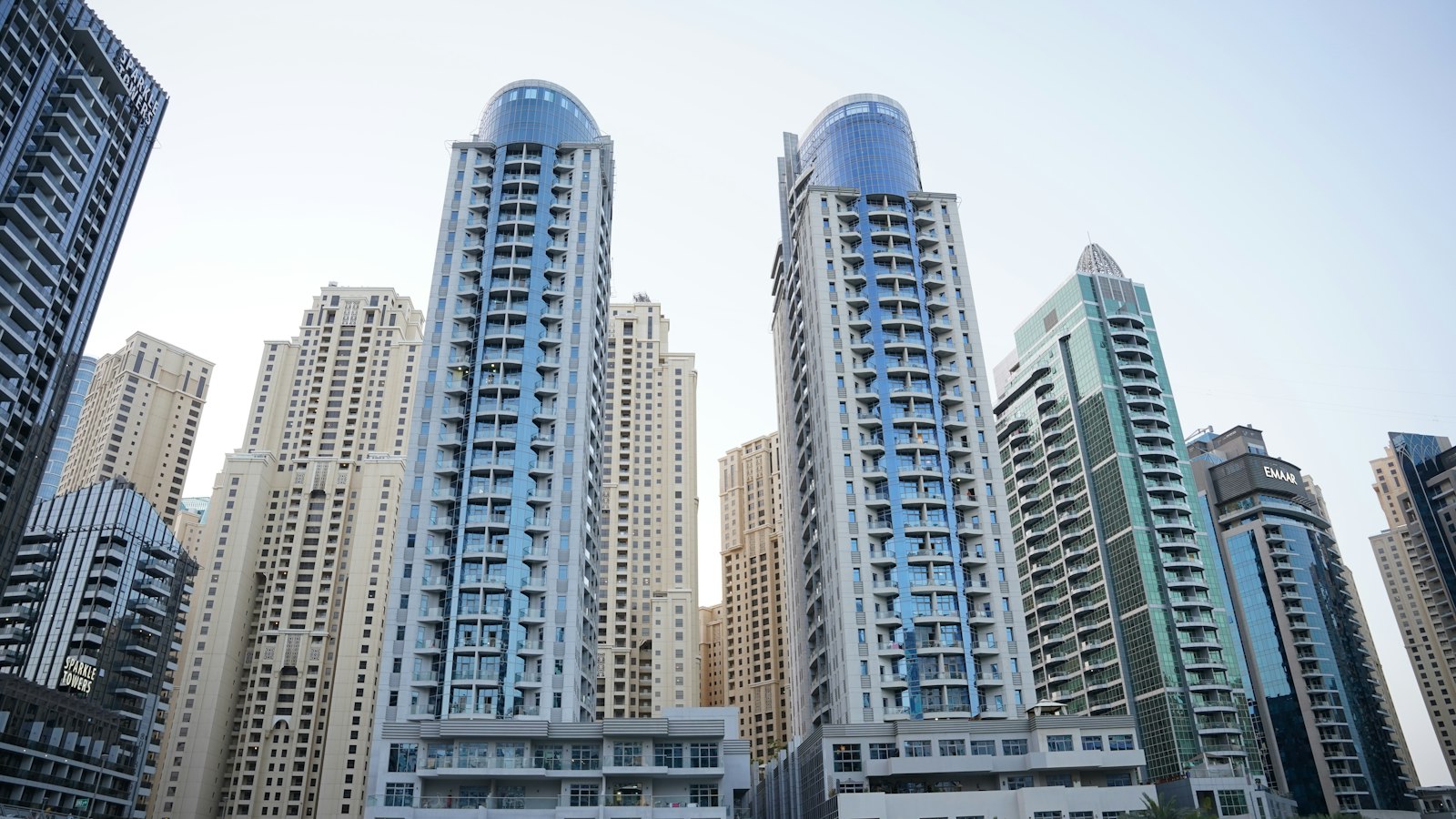
Finding a home in the United Arab Emirates (UAE) is an important step when relocating for work, family or a new lifestyle. Whether you are moving to Dubai, Abu Dhabi, Sharjah or another emirate, the right property depends on your budget, workplace, preferred lifestyle and length of stay.
Expats can look for apartments, villas, shared accommodation or furnished rentals through property websites, registered real estate agents and landlords. Before signing a tenancy agreement, compare the total costs, check the property’s condition and understand the registration requirements in your emirate.
What Types of Housing Are Available in the UAE?
The UAE offers several housing options for expats. Your choice will depend on your household size, budget, preferred location and whether you need a temporary or long-term home.
| Housing type | Best suited for | What to consider |
|---|---|---|
| Studio or apartment | Singles, couples and small households | Building facilities, parking, service charges and commute |
| Villa or townhouse | Families and people needing more space | Maintenance, outdoor space and transport |
| Shared accommodation | People looking to reduce housing costs | Privacy, house rules and whether the arrangement is permitted |
| Furnished rental | New arrivals and temporary stays | Furniture quality, included utilities and rental duration |
| Serviced apartment | Short-term stays and flexible relocation | Higher overall cost and services included |
Before choosing shared accommodation or a sublet, check the tenancy terms and local rules. Do not assume every advertised arrangement is permitted.
Where Should Expats Look for a Home?
You can search for properties through established property portals, registered real estate brokers or directly through a property owner. The UAE government’s housing guidance also recommends comparing available properties and confirming the terms before entering a lease.
Start with these steps:
- Choose your preferred location. Consider your workplace, school access, public transport and daily needs.
- Compare multiple listings. Check the rent, property size, furnishing, facilities and move-in date.
- Contact the agent or landlord. Ask which fees are payable and what documents are required.
- Arrange a viewing. Inspect the property in person or request a reliable live video viewing if you are still overseas.
- Verify the listing. Confirm the agent’s authority to rent the property and avoid sending money before verifying the offer and payment arrangements.
Useful starting points include established property portals and official property resources for the emirate where you plan to live.
How Do I Choose the Right Area?
The cheapest property is not always the most economical option. A lower rent may come with higher transport costs, a longer commute or additional utility expenses.
Compare areas based on your daily routine rather than rent alone.
| Factor | What to check |
|---|---|
| Commute | Travel time to work and access to public transport |
| Budget | Annual rent, payment schedule and additional fees |
| Family needs | Schools, childcare, parks and healthcare facilities |
| Daily convenience | Supermarkets, pharmacies and nearby services |
| Building facilities | Parking, lifts, security, gym and swimming pool |
| Lease flexibility | Contract duration, renewal terms and early termination conditions |
If possible, visit the neighbourhood at different times of day. This can help you assess traffic, noise, parking and how convenient the location will be.
What Documents Do I Need to Rent a Property?
The required documents depend on the emirate, landlord and rental arrangement. The UAE government’s general guidance lists identification documents such as a passport, valid residence visa and Emirates ID, along with the agreed payment arrangements.
| Document or information | Why it may be needed |
|---|---|
| Passport copy | Identity verification |
| Valid residence visa | Residency documentation, where applicable |
| Emirates ID | Identification and tenancy procedures, where applicable |
| Employment or income details | May be requested by the landlord or agent |
| Payment details | To arrange rent and any agreed deposits |
| Signed tenancy contract | Records the agreed rental terms |
Ask the agent or landlord for the exact document checklist before making arrangements. If you have not yet received your Emirates ID or residence visa, confirm whether the landlord can proceed with your current documents.
What Are the Costs of Renting a Home?
The advertised rent is only one part of the total housing budget. Depending on the property and emirate, you may also need to pay a security deposit, agent commission, tenancy registration fees, utility deposits and moving costs.
| Cost category | What it covers |
|---|---|
| Rent | The agreed payment for the property |
| Security deposit | A refundable amount subject to the contract and the property’s condition |
| Agent commission | A fee where an agent is involved and commission is agreed |
| Tenancy registration | Applicable registration or administrative fees |
| Utilities | Electricity, water, cooling and other services, depending on the property |
| Internet | Home broadband or other connectivity services |
| Moving costs | Transport, furniture and initial household supplies |
Ask for a written breakdown of all upfront payments before signing. The amount and timing of rent payments should be confirmed in the tenancy agreement. Do not rely on a listing’s advertised rent as a complete estimate of your move-in costs.
How Does the Rental Process Work?
The process may vary by emirate and property, but these steps provide a useful starting point.
- Set your budget. Decide how much you can afford for rent and additional expenses.
- Shortlist properties. Compare locations, sizes, facilities and lease terms.
- View the property. Check its condition, included appliances, water supply, air conditioning and maintenance arrangements.
- Verify the landlord or agent. Confirm that the person offering the property is authorised to rent it.
- Review the tenancy agreement. Check the rent, payment dates, deposit, maintenance responsibilities, renewal terms and notice requirements.
- Make payments securely. Obtain receipts and written confirmation for all payments.
- Complete the required registration. Follow the tenancy registration process for the relevant emirate.
- Arrange utilities and move in. Confirm service activation, collect the keys and document the property’s condition.
Keep copies of the signed contract, payment receipts, registration confirmation and communications with the landlord or agent.
What Should I Check Before Signing a Tenancy Contract?
Read the full contract before signing. If any term is unclear, request written clarification rather than relying on a verbal promise.
Check the following:
- The landlord’s details and the property’s address.
- The rent amount, payment dates and accepted payment methods.
- The security deposit and the conditions for its return.
- Which maintenance tasks are the landlord’s responsibility and which are yours.
- Whether utilities, cooling, parking or building charges are included.
- The rules for renewal, rent changes, early termination and notice.
- Any restrictions on occupants, pets or alterations to the property.
- The process for reporting repairs and resolving disputes.
Take photographs or videos of existing damage before moving in and share a dated record with the landlord or property manager. Keep evidence of the property’s condition when you eventually move out.
How Do Tenancy Registration and Utilities Work?
Tenancy registration is an important part of renting in the UAE, but the process depends on the emirate.
| Emirate | Tenancy registration system or authority |
|---|---|
| Dubai | Ejari through the Dubai Land Department’s approved channels |
| Abu Dhabi | Tawtheeq |
| Sharjah | Sharjah Municipality |
| Other emirates | Check the relevant local municipality or property authority |
In Dubai, Ejari is used to register tenancy contracts. In Abu Dhabi, Tawtheeq registers tenancy contracts. Registration is also connected to utility procedures, although the exact requirements can differ by location and property.
Before moving in, ask the landlord or agent who will arrange registration, which fees apply and what documents you need to provide. Then confirm how to activate electricity, water, cooling and internet services for your particular property.
Common Housing Mistakes to Avoid
Choosing a property based only on rent: Include transport, utilities, deposits and other charges in your budget.
Sending money before verification: Verify the property, the person renting it out and the payment instructions before transferring funds.
Ignoring the contract: Confirm payment terms, maintenance duties, renewal conditions and notice requirements in writing.
Skipping the property inspection: Test appliances and air conditioning, check for visible damage and record the condition before moving in.
Assuming the rules are identical everywhere: Tenancy registration and housing procedures can differ between emirates, so check the local requirements.
Leaving everything until arrival: If possible, research areas and arrange viewings in advance, but verify the property before committing to a payment or contract.
FAQ
